Sri Bhumananda
Dev
Beloved disciple and spiritual successor — one who carried forward the flame of Sri Omkarnath Dev's teaching with unflinching devotion and scholarly depth.
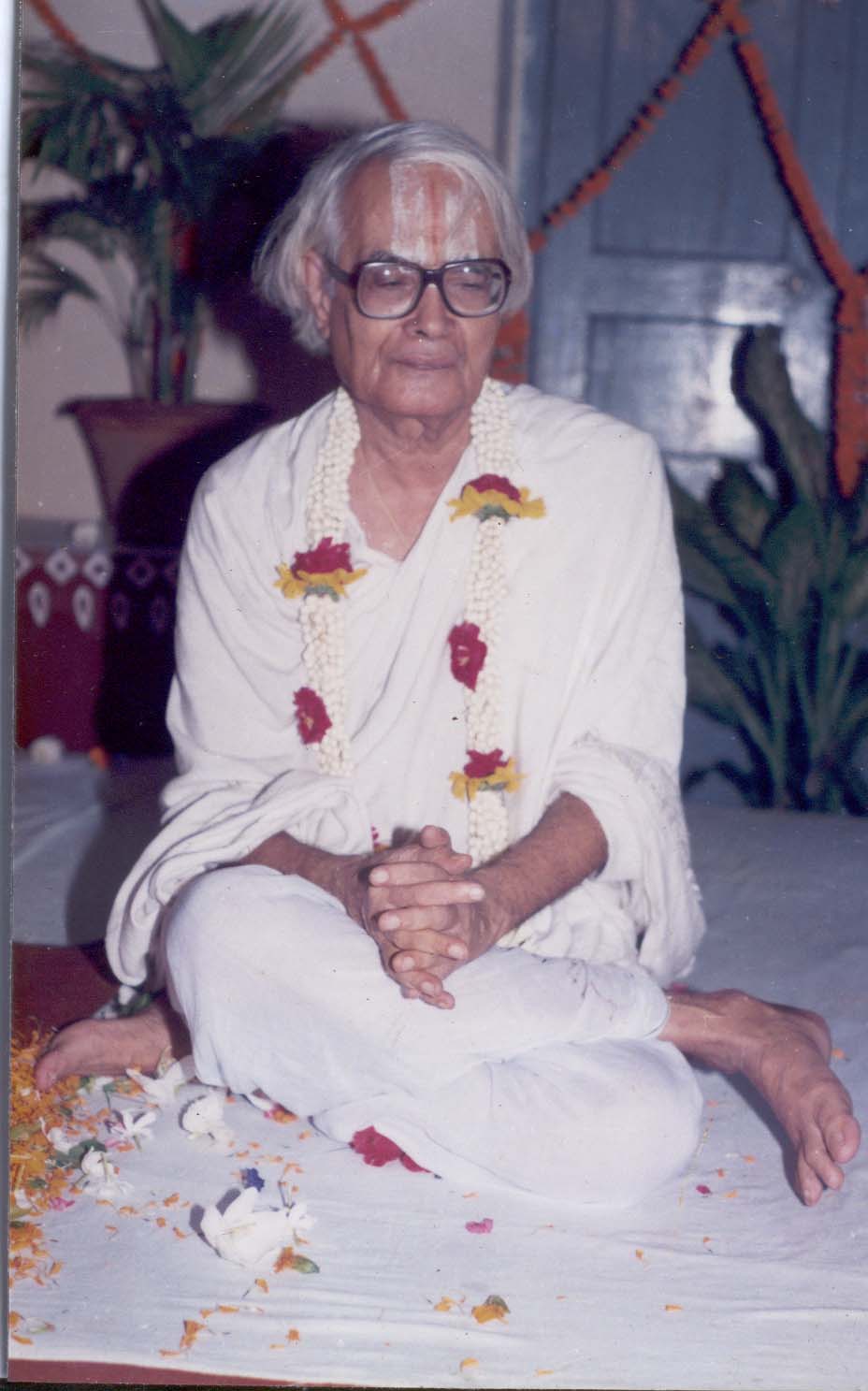
Sri Bhumananda Dev
Disciple · Teacher · Torchbearer
“To receive the grace of the Guru is the greatest fortune a human being can have in this life.”
— Sri Bhumananda DevCarrying the
living flame.
Sri Bhumananda Dev was among the closest and most dedicated disciples of Sri Sitaramdas Omkarnath. Drawn to the teacher's extraordinary spiritual presence, he surrendered entirely to the path of nāma-japa and became himself a model of the practice he taught.
His life exemplifies what Sri Omkarnath described as the ideal of the sādhaka — one who combines earnest devotion with steady practice, making the divine name the very pulse of daily existence. Those who knew him spoke of his extraordinary stillness, his warmth, and his capacity to transmit peace simply through his presence.
As a teacher in his own right, Sri Bhumananda Dev initiated hundreds into the practice of nāma-japa, always emphasising the primacy of inner sincerity over outer observance. His satsaṅgs drew seekers from across Bengal, and his explanations of Sri Omkarnath's teachings were celebrated for their clarity and depth.
The Samsthanam honours Sri Bhumananda Dev as one of the principal carriers of the Pranavavāda tradition — one whose life and teaching constitute an indispensable link in the unbroken chain of transmission.
“He who takes refuge in the name of the Lord need fear nothing in this world or the next. The name alone is the boat, the shore, and the sea.”
— Teaching attributed to Sri Bhumananda DevA life of divine service.
Birth & Spiritual Inclination
Sri Bhumananda Dev was born into a devout Bengali family, displaying from childhood a rare inwardness and longing for the divine. Even in his early years, he was drawn away from worldly pursuits toward contemplation and silence.
Surrender to the Guru
Upon encountering Sri Sitaramdas Omkarnath, Sri Bhumananda Dev recognised his teacher immediately. He surrendered completely to the path of nāma-japa under his guidance, and the divine name became the very axis of his existence.
Years of Intensive Practice
Immersed in the discipline of praṇava japa and Abhinava Pranavavāda, he deepened his realisation through years of sustained inner practice — becoming a living embodiment of the teaching he had received.
Initiating Hundreds of Seekers
Sri Bhumananda Dev began guiding seekers from across Bengal, initiating them into nāma-japa with rare precision and warmth. His satsaṅgs became celebrated for their clarity, stillness, and transformative depth.
Carrying the Lineage Forward
Recognised as one of the principal torchbearers of the Pranavavāda tradition, he ensured the faithful transmission of Sri Omkarnath Dev's teachings to subsequent generations — preserving both the letter and spirit of the lineage.
An Indispensable Link
The Samsthanam honours Sri Bhumananda Dev as an indispensable link in the unbroken chain of the tradition. His life, teachings, and compositions continue to inspire practitioners and scholars worldwide.
Srimat Bhumananda Dev
(Professor Sadananda Chakrabarti)
A Life of Scholarship and Spiritual Realization
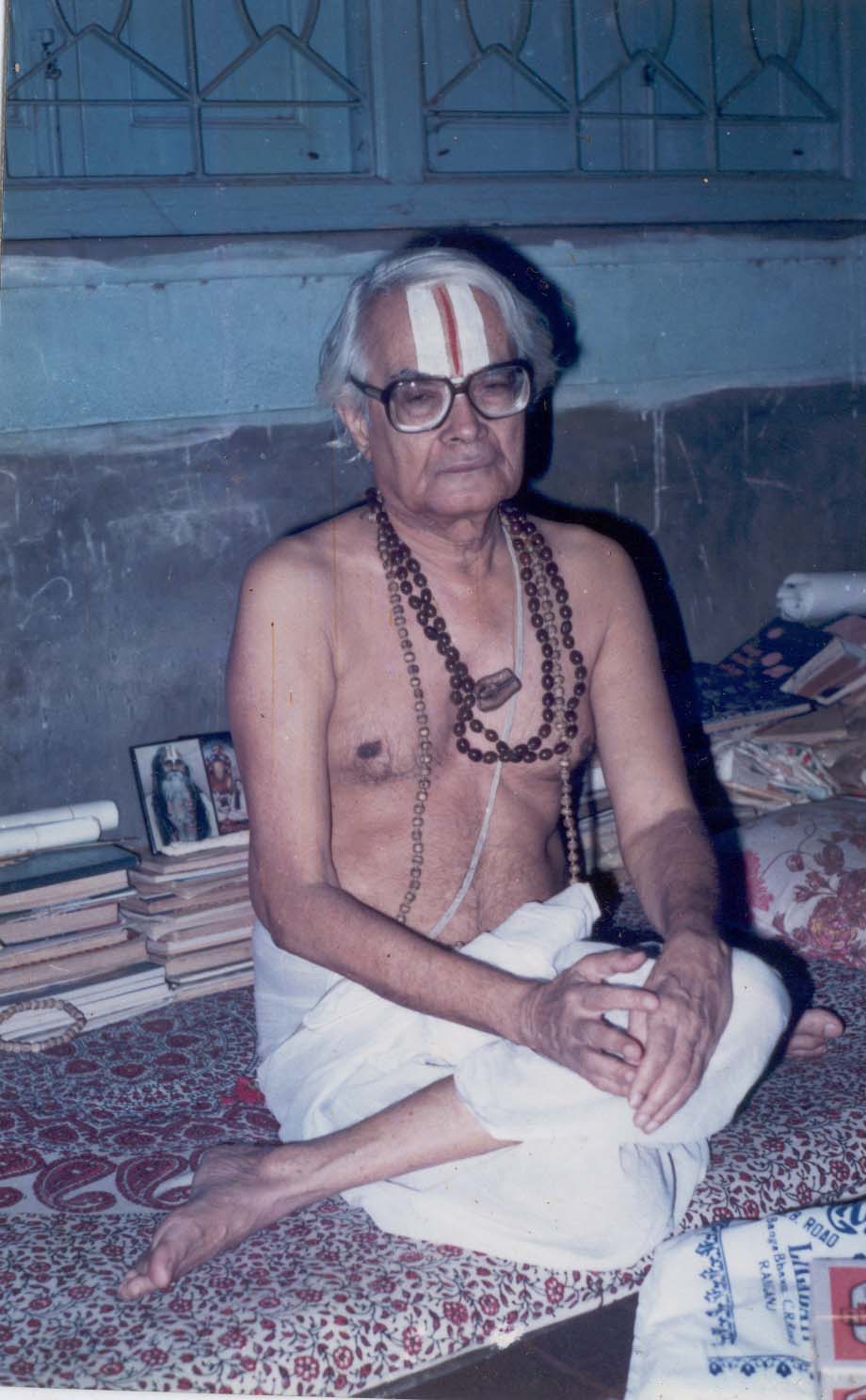
Srimat Bhumananda Dev (Professor Sadananda Chakrabarti) was a rare personality who seemed to inhabit two worlds simultaneously: the rigorous intellectual realm of Shakespearean scholarship and the luminous inner path of Indian spirituality. Born in 1918, his life was marked from an early age by a deep inwardness. While others of his age were absorbed in games and worldly amusements, he was drawn instead to contemplation—to the vast sky, to silence, and to the profound questions of existence. This early disposition shaped both his extraordinary academic achievements and his later spiritual journey.
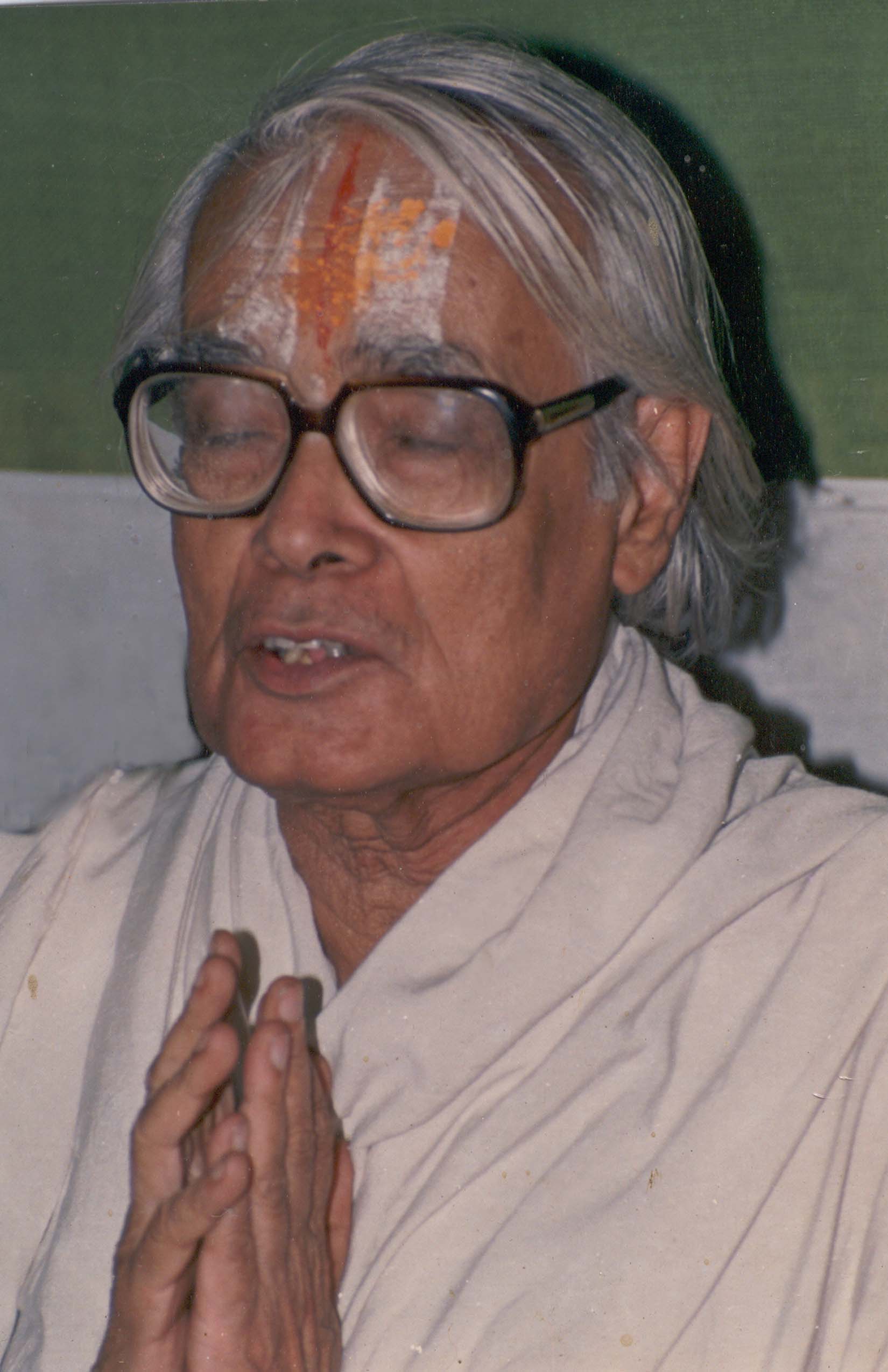
As a student, Bhumananda Dev distinguished himself with remarkable brilliance. He secured a first class in English from Presidency College, Calcutta, studying under eminent scholars such as P. C. Ghose and S. C. Sengupta. His scholarly works, including his editions of Richard II (1953) and Macbeth (1955), were widely acclaimed for their clarity, depth, and originality. Sengupta himself described his edition of Macbeth as “the best Indian Shakespeare,” recognizing in it a rare synthesis of critical precision and interpretive insight. In the classroom, Bhumananda Dev was an electrifying presence. His lectures on Aristotle’s Poetics and Shakespearean tragedy transcended conventional pedagogy. Students often recalled a pin-drop silence as he read and interpreted texts with dramatic intensity, revealing layers of meaning with exceptional clarity. He had the unique ability to discern significance even in silence—whether in Edmund’s tense presence in King Lear or Clytemnestra’s quietude in Agamemnon—demonstrating how the unsaid could carry immense dramatic force.
Yet, for Bhumananda Dev, scholarship was never an end in itself. His intellectual life was deeply interwoven with a profound spiritual quest. Initiated by Sri Sri Sitaramdas Omkarnath, who gave him the name Kinkar Bhumananda, he lived a life that harmonized the roles of monk and professor. His teaching bore the imprint of this synthesis. When discussing Aristotle’s concept of catharsis, he would go beyond aesthetic theory, relating it to the Indian notion of liberation—a purification of the ego leading toward glimpses of the Infinite. He built bridges between Eastern and Western thought, showing parallels between Abhinavagupta’s theory of rasa and Aristotle’s poetics, while also carefully delineating their differences. For him, literature was not mere intellectual exercise but a means of spiritual renewal and ascent. A decisive turning point in his life occurred during his tenure as a lecturer at Rajshahi Government College in East Bengal. Encouraged by his mentor S. C. Sengupta, he approached the renowned philosopher Professor Gopinath Bhattacharya with the desire to study Nyaya philosophy. When asked whether his aim was knowledge or liberation, he spent a night in deep reflection and returned the next morning with a clear answer: his goal was moksha. This moment marked a profound transformation, aligning his intellectual pursuits permanently with spiritual realization.
Bhumananda Dev’s personality embodied a rare synthesis of austerity and compassion. Outwardly, he appeared as an ascetic—his forehead marked with sandalwood paste, his demeanor calm and grave. Yet those who knew him experienced his warmth, kindness, and deep concern for others. Students and colleagues often described him as a “monk-professor,” a “saint-scholar,” and a “torchbearer” of knowledge. He consciously avoided self-promotion, once remarking with Socratic humility that he had “not discovered anything” and did not believe in publishing for recognition while students struggled with limited resources. Instead, he dedicated himself wholeheartedly to teaching, guiding generations of students toward intellectual clarity and inner awakening. Even after his formal retirement, Bhumananda Dev did not withdraw into inactivity. Rather, he established a gurukul-style school at Raniganj, where he preferred to spend his time reading and interacting with children, nurturing young minds with the same sincerity that had characterized his academic life. His commitment to duty was equally evident in his personal life: despite his inclination toward renunciation, he fulfilled his responsibilities toward his family, especially in caring for his mother, exemplifying the ideal of detached action. At the heart of his life was an unwavering devotion to his Guru and a deep conviction that all knowledge must ultimately serve a higher spiritual purpose. His practice was quiet and inward, free from display, yet profoundly transformative.
In the final analysis, Srimat Bhumananda Dev stands as an extraordinary example of the unity of knowledge and realization. He was at once a meticulous critic of Shakespeare and Aristotle, and a seeker of the highest truth, living in accordance with the ideal of the sthita-prajna described in the Bhagavad Gita. His legacy endures not only in his writings and lectures, but more importantly in the lives of the many students who found in him both an intellectual guide and a spiritual light. To remember him is to recall a towering scholar and a saintly teacher, whose influence continues to illuminate the paths of learning and devotion.
His initiation under Sri Sri Sitaramdas Omkarnath was another turning point. Receiving the name Kinkar Bhumananda, he dedicated himself wholly to his Guru. He lived the teachings rather than merely repeating them, embodying the principle of loyalty to the Master as the highest form of spiritual practice. His devotion was so complete that contemporaries described him as “His Master’s Voice,” breathing and living the philosophy imparted to him. Incidents from his teaching career further illustrate his uniqueness. At Presidency College, his lectures on Shakespeare and Aristotle were legendary. Students recalled how he could extract meaning from silence—interpreting Edmund’s tense quietness in King Lear or Clytemnestra’s wordless presence in Agamemnon. His ability to dramatize texts with inspired commentary created an atmosphere of awe. One student remembered how, during a lecture on Macbeth, the class sat in pin-drop silence as he read Lady Macbeth’s lines, his voice charged with intensity. These were not mere lessons; they were transformative experiences that left students exhilarated long after the class ended.
Later, when he retired from Burdwan University, he chose not to pursue fame or academic accolades. Instead, he established a small gurukul-style school in Raniganj, his birthplace. When asked by Dr. Sengupta why he preferred teaching children rather than advanced scholars, he replied humbly that he found joy in reading with tiny tots. This incident reveals his humility and his belief that true education was not about prestige but about nurturing minds at their most impressionable stage.
His devotion to his mother, Gouri Devi, was another defining episode. Though he longed to renounce the world formally, he subordinated his desire for ascetic life to his duty of caring for her. He remained unmarried, living as a householder yet embodying the spirit of a sanyasi. This sacrifice exemplified his ability to balance worldly responsibilities with spiritual ideals. Even in public life, incidents reflected his integrity. During his tenure at Burdwan, he was often invited to address gatherings. On one occasion in Delhi, given only ten minutes to speak, he delivered a soul-stirring exposition of his Guru’s philosophy in simple, rhythmic English. The audience was moved to tears, a testament to his ability to communicate profound truths with clarity and grace. Taken together, these episodes paint a portrait of a man who consistently chose depth over display, devotion over ambition, and service over self. His life was not a sequence of grand achievements but of quiet, luminous incidents that revealed his essence: a scholar-saint who lived by values rare in any age.
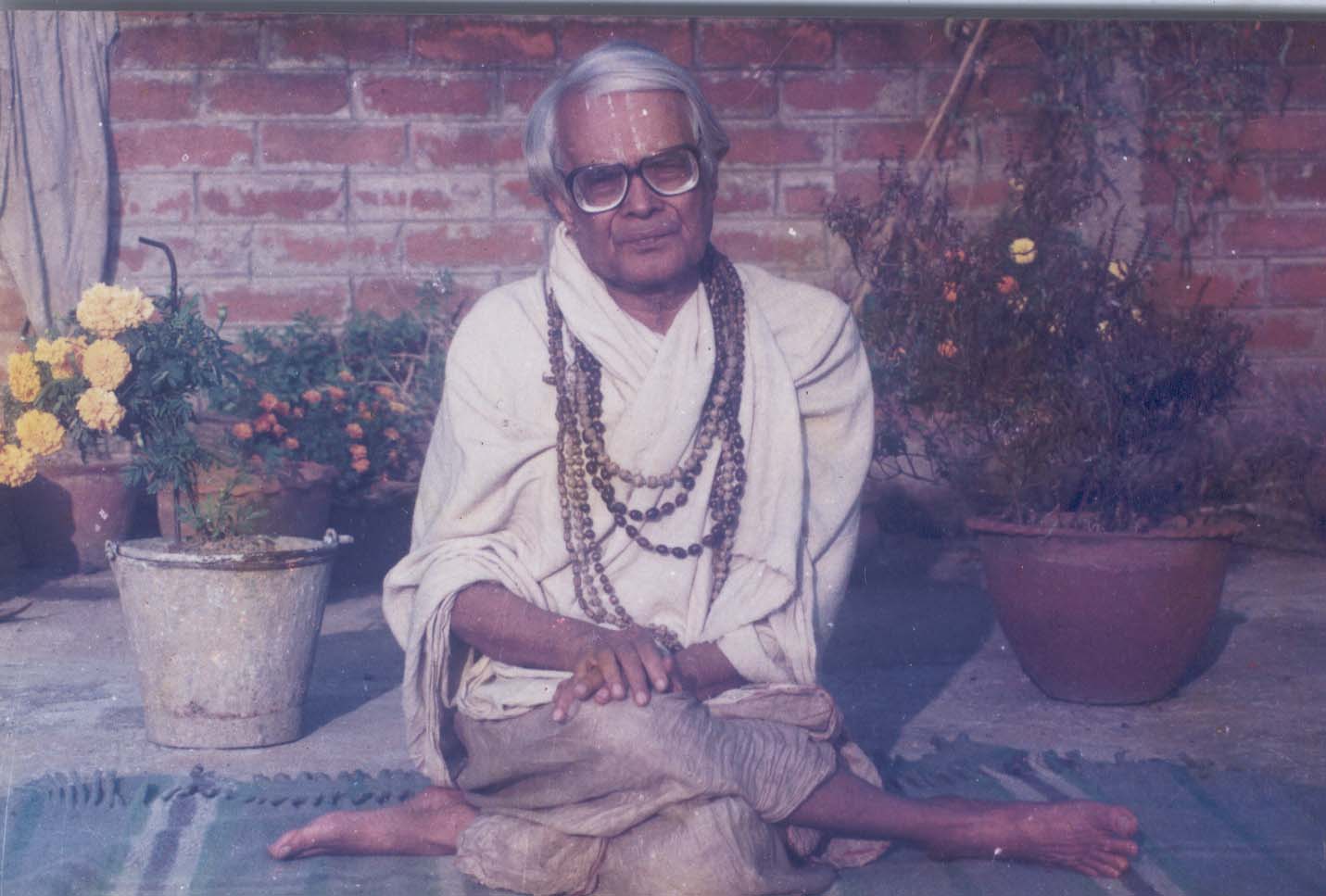
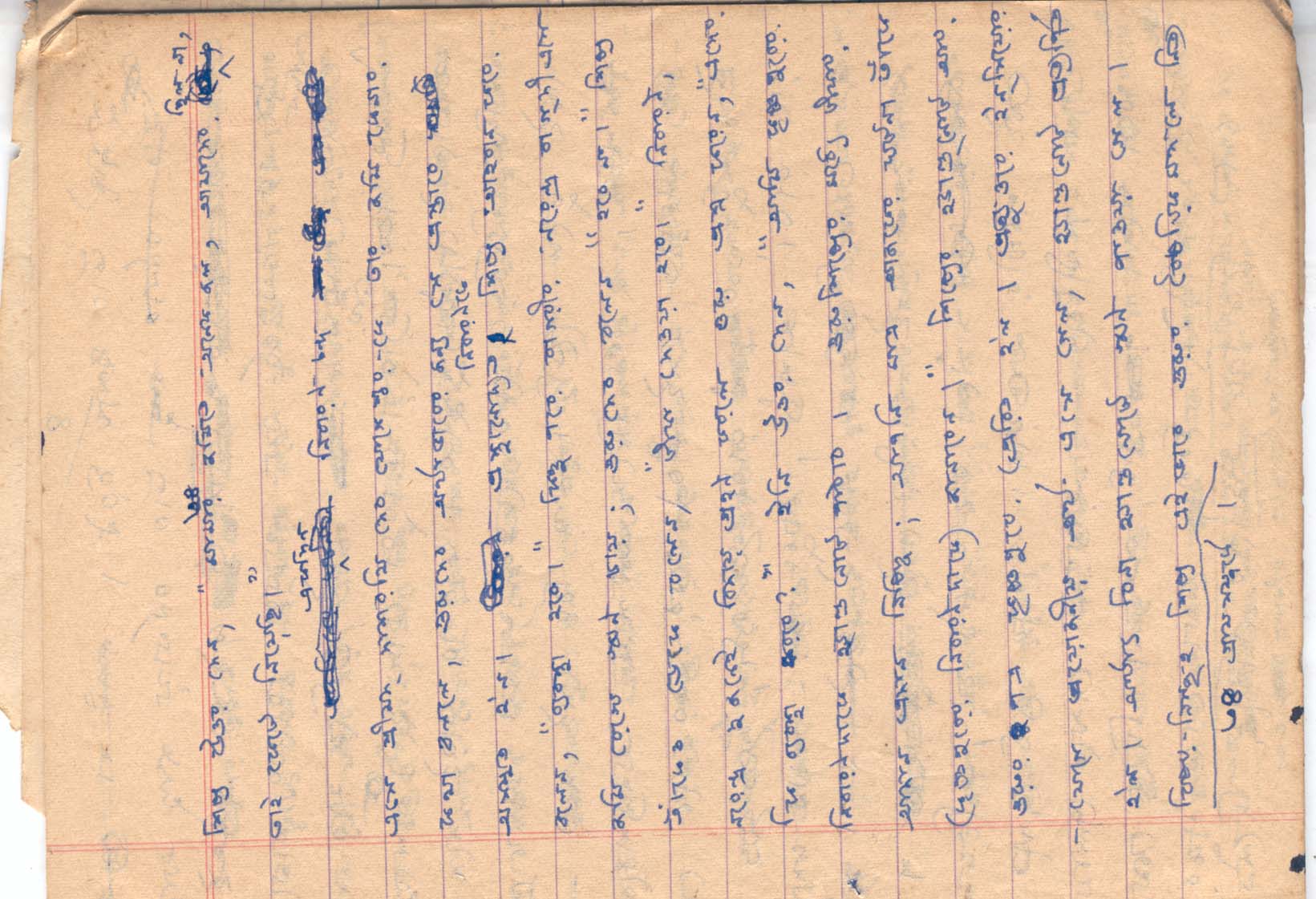
Return to the Tradition.
Explore the life and teachings of Sri Sitaramdas Omkarnath Dev — the Guru whose flame Sri Bhumananda Dev carried forward.
Sri Sitaramdas Omkarnath Dev →